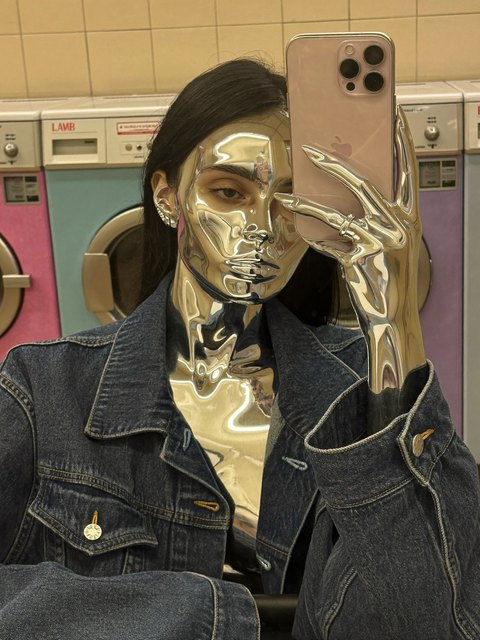


Identity is different from style
| Control | Use it for | Limit |
|---|---|---|
| Soul ID | A consenting person’s trained identity in supported Soul workflows. | Do not assume a portable identity file or automatic support in unrelated models. |
| Reference image / starting frame | Anchoring a scene before animation. | An image can still drift under large motion or changed viewpoint. |
| Image reference set | Endpoint-supported identity and scene constraints. | Roles, counts and modes depend on the integration. |
| Prompt / seed | Describing attributes or making a run repeatable where supported. | Neither establishes identity preservation across model families. |
Affiliate link: we may earn a commission if you subscribe. Your model choice comes first. How links work
Build and approve the identity
-
Choose an original adult persona or consenting real person; retain permissions and reference provenance.
-
Soul ID training guidance asks for at least 20 photos, up to 80. Follow quality guidance and account controls.
-
For invented personas, use the supported fictional-character/reference workflow.
-
Approve front, three-quarter and side views with key wardrobe details.
-
Review a small still set before moving into video.
Carry the approved frame into motion
Kling 3.0 exposes start/end frames; Seedance 2.5 exposes references and edits. Veo supports starting images here; broader references remain unverified. [3]
Direct action and camera without redesigning the face. Inspect eyes, jaw, hairline, age and mouth through the final frame.
Debug drift one variable at a time
Reduce turns, camera motion and scene length when faces drift. Improve references; keep lighting and wardrobe stable.
Change one variable at a time. Remove contradictory facial descriptions.
Sources
Sources checked 2026-10-07. Workflow recommendations are editorial guidance.