

Choose the business before the face
| Route | What you sell | Evidence needed |
|---|---|---|
| Sponsorship | Clearly disclosed brand content from a synthetic persona. | Audience relevance, agreed deliverables and substantiated brand claims. |
| Affiliate links | Disclosed referral access to a product. | A useful recommendation and transparent commercial relationship. |
| Creative services | Images, scripts and reviewed ad assets for clients. | Rights, brief, revisions and accepted deliverables. |
| Licensing | Permission to use an original character or finished assets. | A rights chain, permitted media/territories and contract. |
| Platform monetisation | Eligible original video content. | Actual programme eligibility; no promise that AI content qualifies. |
Sources: Soul and Soul ID help · Meta synthetic content labels · TikTok AI content labels · TikTok commercial disclosure · YouTube altered and synthetic content disclosure · YouTube channel monetisation policies · FTC influencer advertising disclosures · checked 2026-10-07
A practical Soul 2.0 workflow
-
Define an original adult persona, editorial niche, wardrobe and content boundaries. Do not copy a real person without permission.
-
Create an identity sheet and retain the approved reference images. For a consenting real person, follow Soul ID’s current training instructions rather than training from a random face.
-
Use Soul 2.0 for stills. Separate identity, scene and style decisions; with a reference attached, the documented web flow disables the prompt field.
-
Animate an approved still in an endpoint with the right starting-frame or reference roles, such as the catalog-backed Seedance workflow.
-
Review each output for face drift, product claims and unintended likenesses. Add clear synthetic and sponsorship disclosures.
Sources: Soul and Soul ID help · Meta synthetic content labels · TikTok AI content labels · TikTok commercial disclosure · YouTube altered and synthetic content disclosure · YouTube channel monetisation policies · FTC influencer advertising disclosures · checked 2026-10-07
Disclosure is two separate decisions
| Platform | Synthetic content | Commercial relationship |
|---|---|---|
| Instagram / Facebook | Meta applies AI information labels using signals and creator disclosure; disclose realistic synthetic people and scenes. | Use applicable branded-content / paid partnership controls and clear disclosure. |
| TikTok | Label realistic AI-generated images, audio and video under the AI content guidance. | Enable commercial content disclosure when promoting a brand/product/service. |
| YouTube | Disclose meaningful realistic altered or synthetic content in Studio. | Declare paid promotion when applicable and comply with monetisation policies. |
Sources: Soul and Soul ID help · Meta synthetic content labels · TikTok AI content labels · TikTok commercial disclosure · YouTube altered and synthetic content disclosure · YouTube channel monetisation policies · FTC influencer advertising disclosures · checked 2026-10-07
A persona can present a product, but cannot be a real customer
Write a factual demonstration or branded story. Do not put “I used this for a month” in the mouth of a fictional person unless it is clearly fictional and cannot mislead viewers about a real endorsement. An AI label does not validate false claims.
The FTC guidance for US consumers requires an obvious disclosure of material brand relationships. Local rules can add requirements. Use the platform controls and an understandable disclosure beside the endorsement, not only in a profile biography.
Sources: Soul and Soul ID help · Meta synthetic content labels · TikTok AI content labels · TikTok commercial disclosure · YouTube altered and synthetic content disclosure · YouTube channel monetisation policies · FTC influencer advertising disclosures · checked 2026-10-07
What to measure before expanding
Track completed deliverables, production costs, revision hours and actual audience responses. If a client pays for a campaign, separate production fees from media spend and report measured outcomes with their context.
Our nineteen existing influencer images are creative examples, not income evidence. Some subjects use different prompts across models; inspect their labels before treating them as controlled comparisons.
Sources: Soul and Soul ID help · Meta synthetic content labels · TikTok AI content labels · TikTok commercial disclosure · YouTube altered and synthetic content disclosure · YouTube channel monetisation policies · FTC influencer advertising disclosures · checked 2026-10-07
Existing original persona images.
Creative examples only; no income or audience-growth evidence. Captions retain model and prompt differences.
Ordinary day. Impossible creator.
Original fictional characters generated on Higgsfield, 7 October 2026. One generation per prompt (n=1), model defaults, 3:4. These runs show creative possibilities and misses; they do not establish consistency across posts.
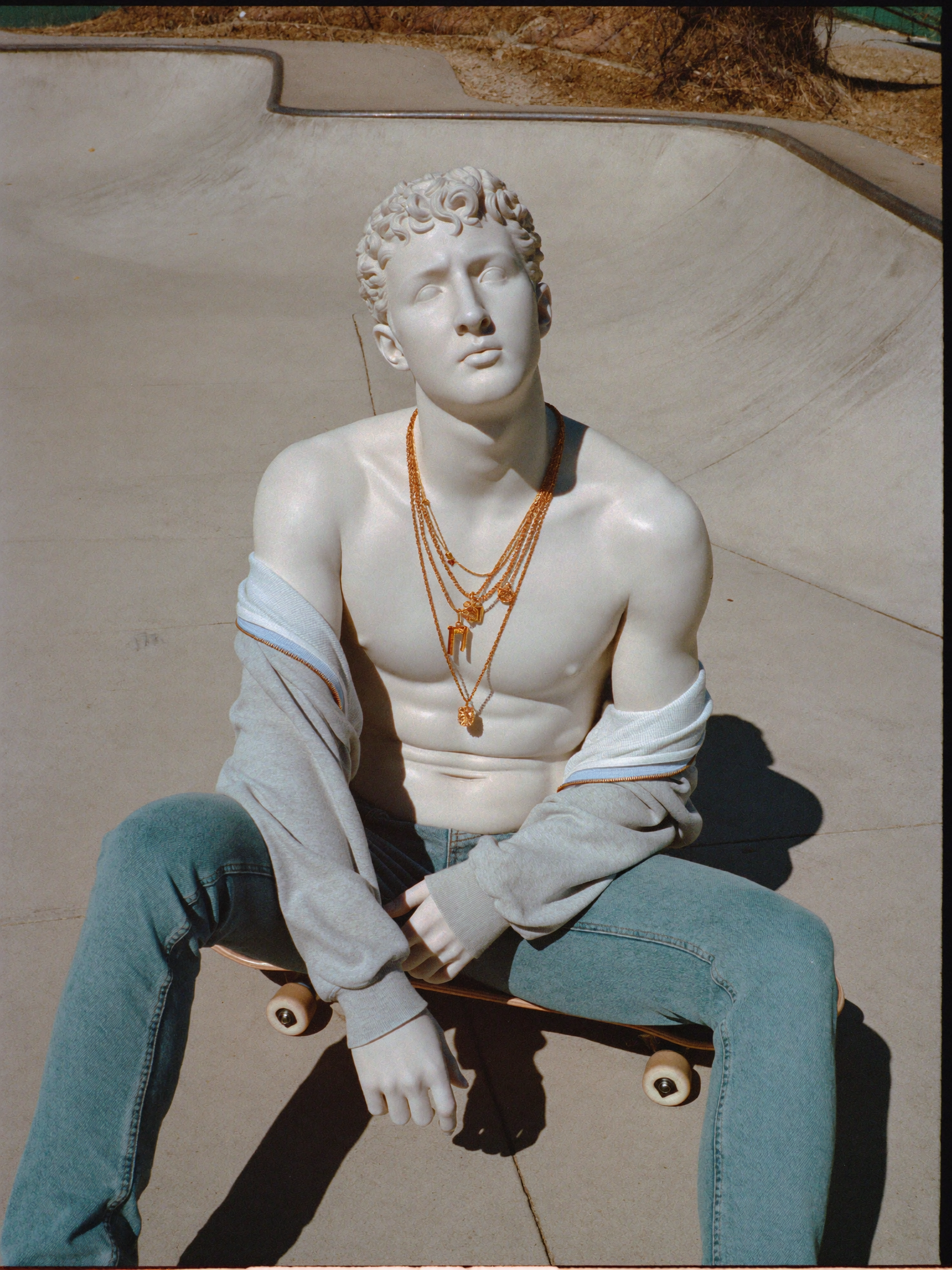
Marble goes skateboarding
Prompt adherence: hit
Skater influencer whose face and neck are smooth white Carrara marble like a classical Greek statue, wearing a baggy streetwear hoodie and chains, sitting on a skateboard at a sunny concrete skatepark, 35mm film snapshot
Settings and provenance
{"aspect_ratio":"3:4","resolution":"2k","platform":"Higgsfield","other":"model defaults"}
1536×2048 native · 0.12 credits (preflight)
Requested ID: soul_2
Job: 471bb572-1f10-4f3c-9032-f207ccd6e727
Generated: 2026-10-07
Affiliate link: we may earn a commission if you subscribe. Your model choice comes first. How links work
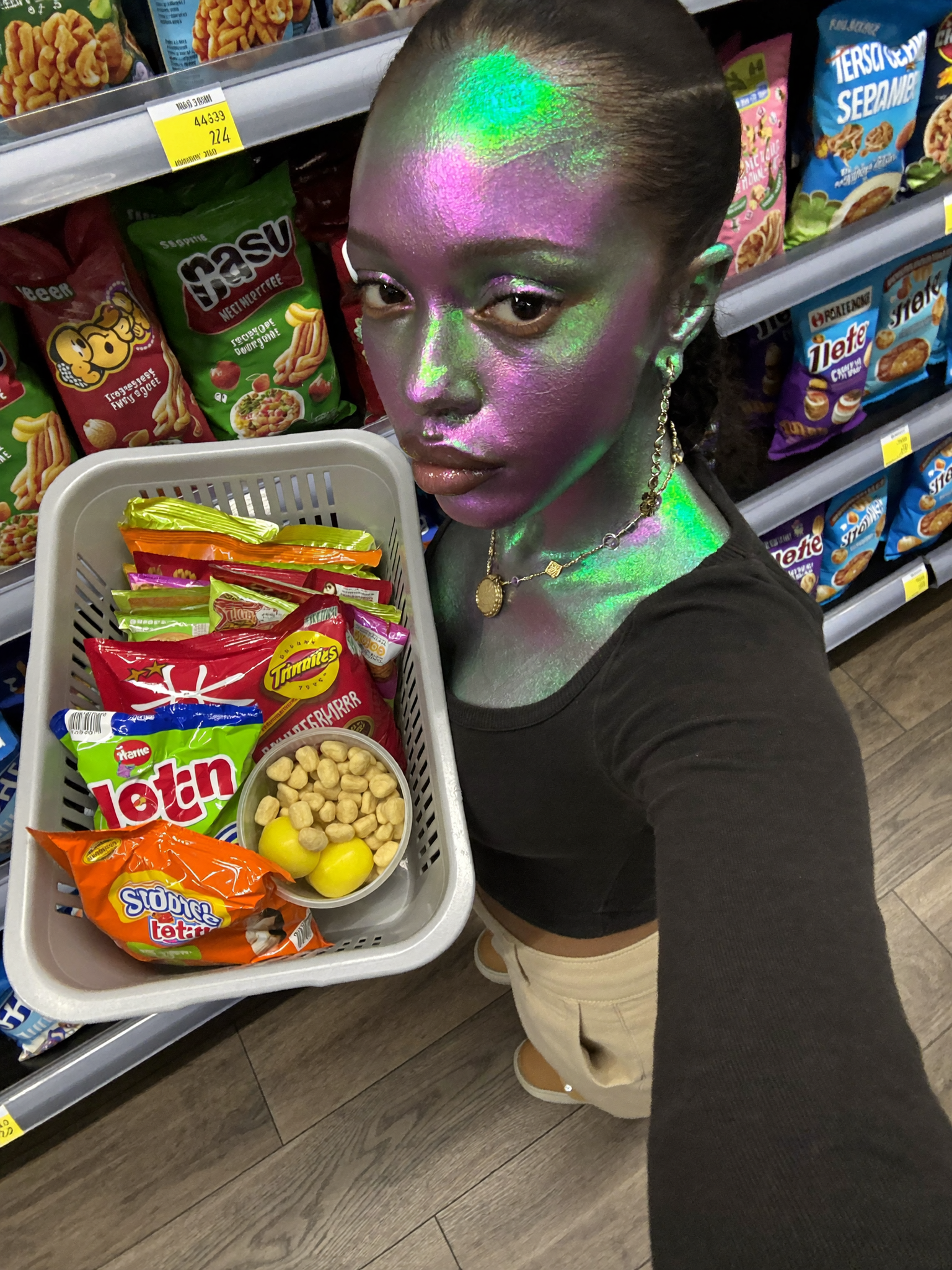
Holographic skin, ordinary groceries
Prompt adherence: hit
Grocery haul influencer with iridescent holographic candy-wrapper skin that crinkles, filming herself in a colorful supermarket cereal aisle, shopping basket full of snacks, ring light glow, TikTok vlog style
Settings and provenance
{"aspect_ratio":"3:4","resolution":"2k","platform":"Higgsfield","other":"model defaults"}
1536×2048 native · 0.12 credits (preflight)
Requested ID: soul_2
Job: 2f905ef8-02e3-467a-a07a-c545334a3982
Generated: 2026-10-07
Affiliate link: we may earn a commission if you subscribe. Your model choice comes first. How links work
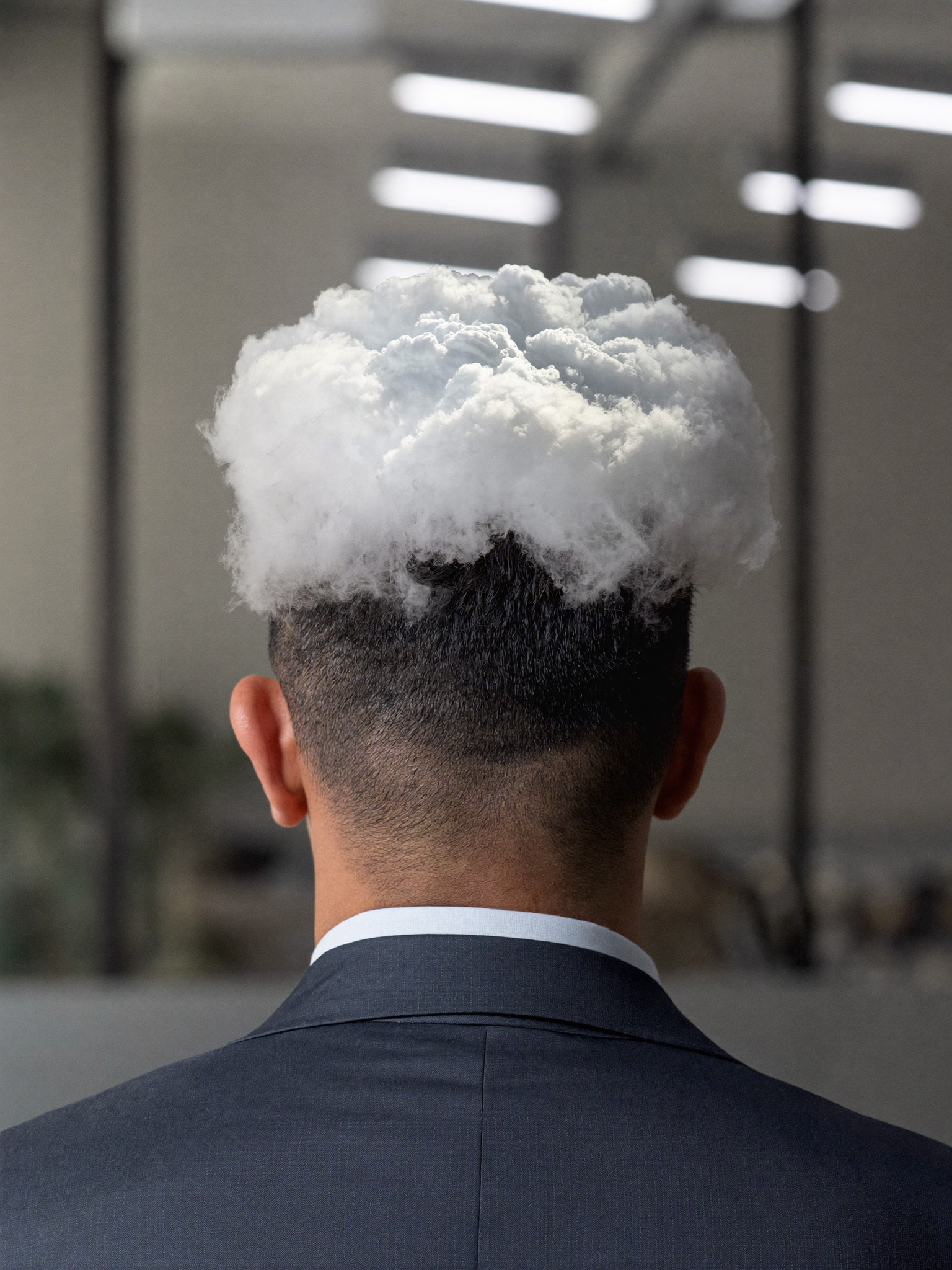
A cloud above the commute
Prompt adherence: hit (seen from behind)
Corporate LinkedIn headshot of a businessman whose head is a soft fluffy white cumulus cloud, navy suit and tie, glass office background with bokeh, professional studio lighting
Settings and provenance
{"aspect_ratio":"3:4","resolution":"2k","platform":"Higgsfield","other":"model defaults"}
1536×2048 native · 0.12 credits (preflight)
Requested ID: soul_2
Job: 0735bb95-f8da-4503-a8ec-6c170f9b01b5
Generated: 2026-10-07
Affiliate link: we may earn a commission if you subscribe. Your model choice comes first. How links work
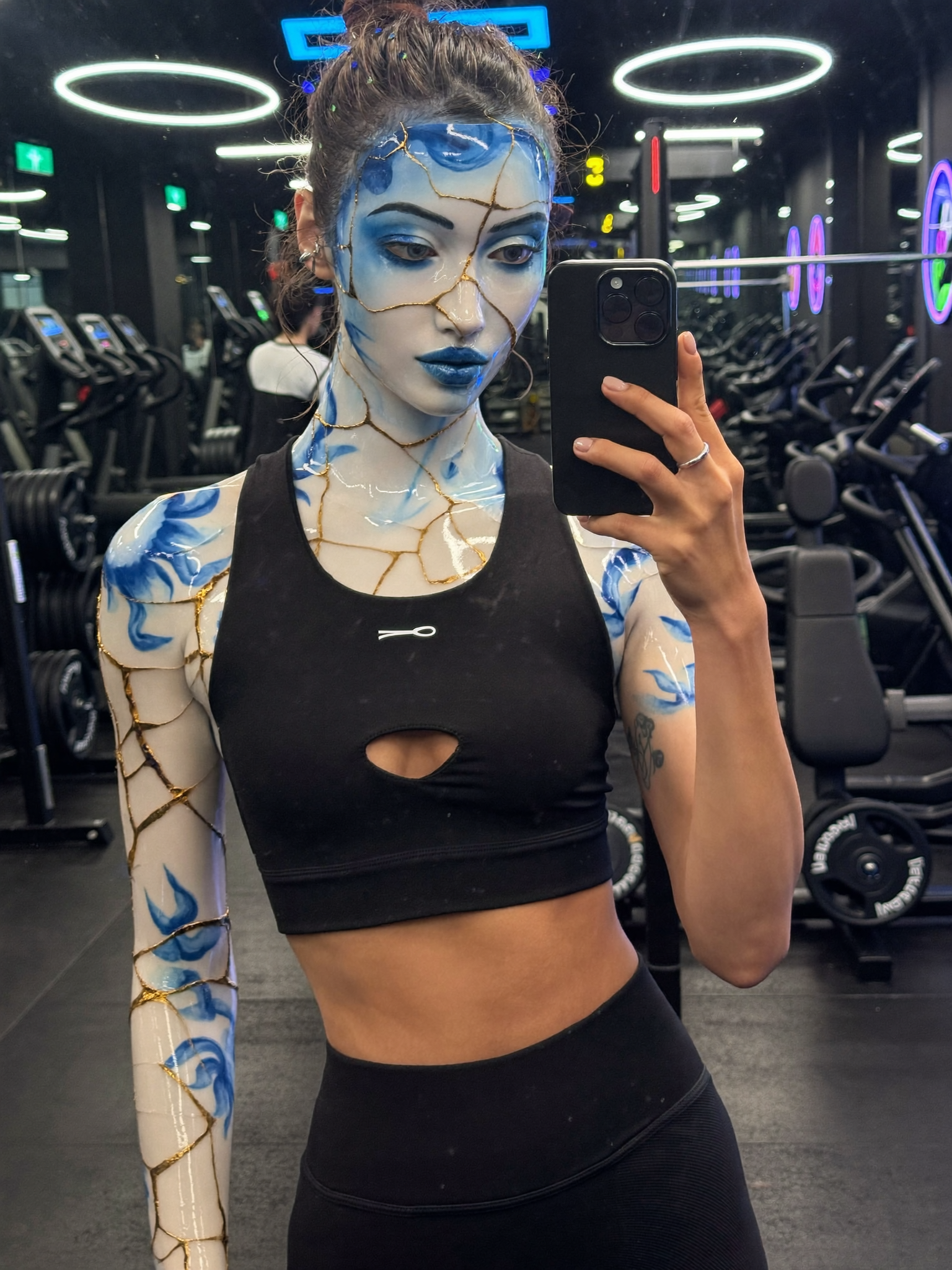
Porcelain at the gym
Prompt adherence: hit
Fully clothed fitness influencer in a black sports bra and leggings, her face and arms are glazed white porcelain with blue floral painting and golden kintsugi cracks, like a living ceramic vase, gym mirror selfie, neon gym lights
Settings and provenance
{"aspect_ratio":"3:4","resolution":"2k","platform":"Higgsfield","other":"model defaults"}
1536×2048 native · 0.12 credits (preflight)
Requested ID: soul_2
Job: ce1db2ab-2bff-447a-b5a7-0af3a91b686c
Generated: 2026-10-07
Affiliate link: we may earn a commission if you subscribe. Your model choice comes first. How links work

Four eyes on the red carpet
Prompt adherence: hit (four eyes with pearl lashes)
Elderly fashion icon with four eyes, two pairs of eyes stacked vertically on her face, long pearl eyelashes on all four, silver bob haircut, sculptural red couture gown, red carpet paparazzi flash photo, surreal high fashion editorial
Settings and provenance
{"aspect_ratio":"3:4","resolution":"1k","platform":"Higgsfield","other":"model defaults"}
880×1168 native · 0.5 credits (preflight)
Requested ID: kling_omni_image
Job: 1dbd0d06-4ab9-459f-9bbd-392e99703dd8
Generated: 2026-10-07
Affiliate link: we may earn a commission if you subscribe. Your model choice comes first. How links work
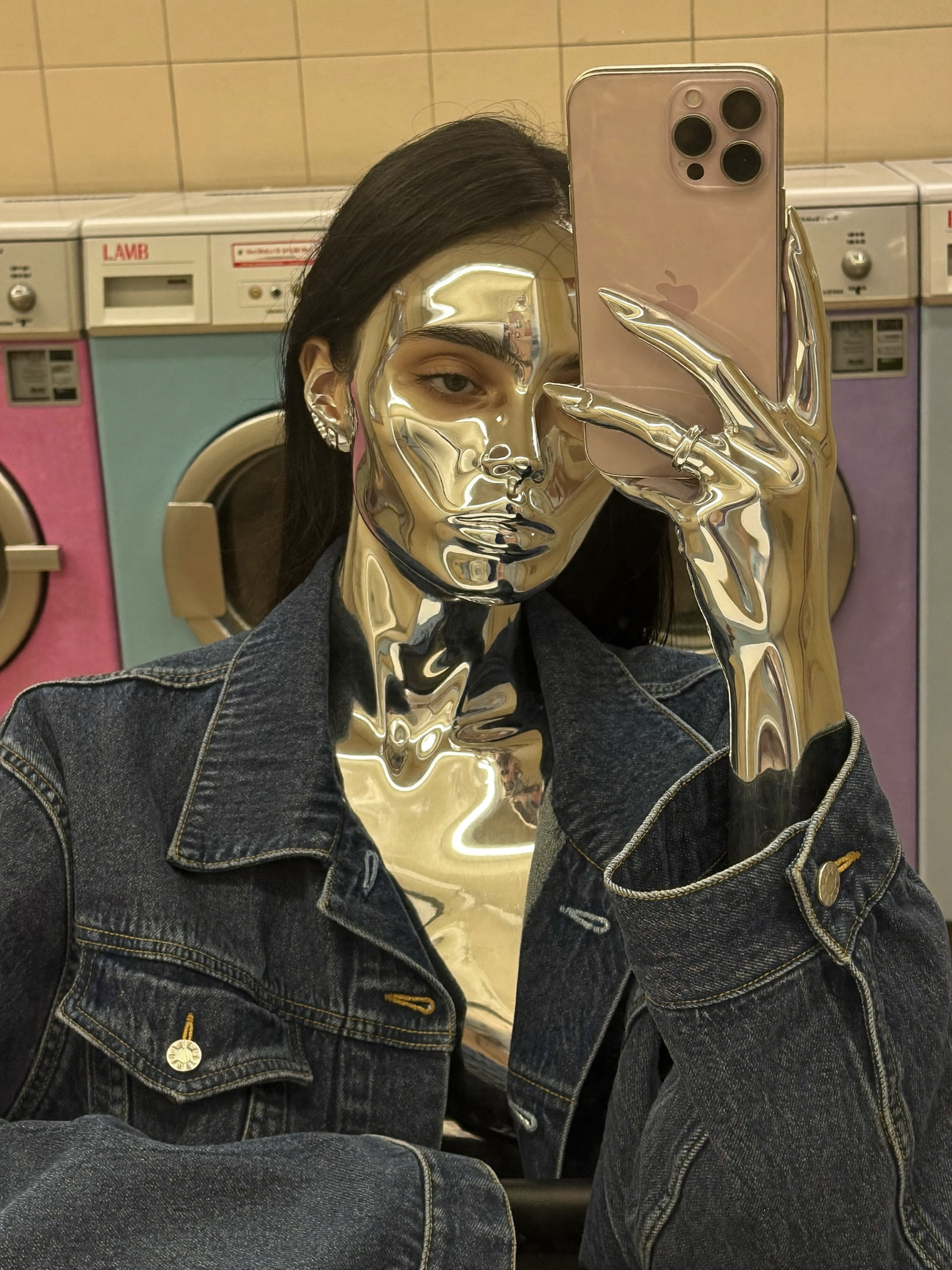
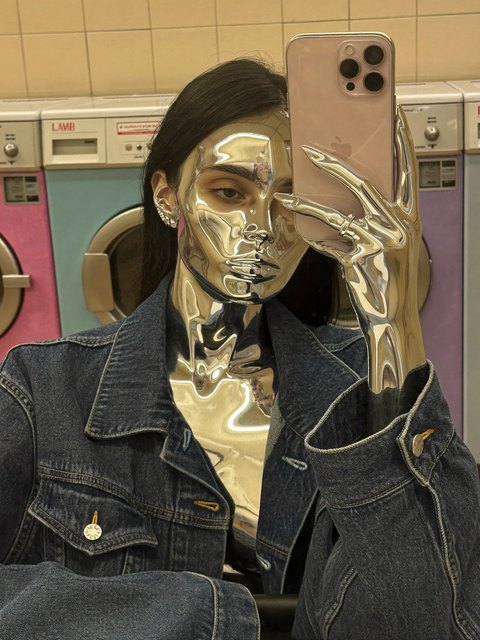
Chrome skin. Laundry day.
Prompt adherence: hit
Instagram influencer with flawless liquid chrome skin like polished mirror metal, taking a mirror selfie in a retro laundromat, pastel washing machines reflected on her face, oversized vintage denim jacket, candid smartphone photo, fashion editorial
Settings and provenance
{"aspect_ratio":"3:4","resolution":"2k","platform":"Higgsfield","other":"model defaults"}
1536×2048 native · 0.12 credits (preflight)
Requested ID: soul_2
Job: 1bd3aff0-02ad-4000-9d2f-db646dc8fe72
Generated: 2026-10-07
Affiliate link: we may earn a commission if you subscribe. Your model choice comes first. How links work
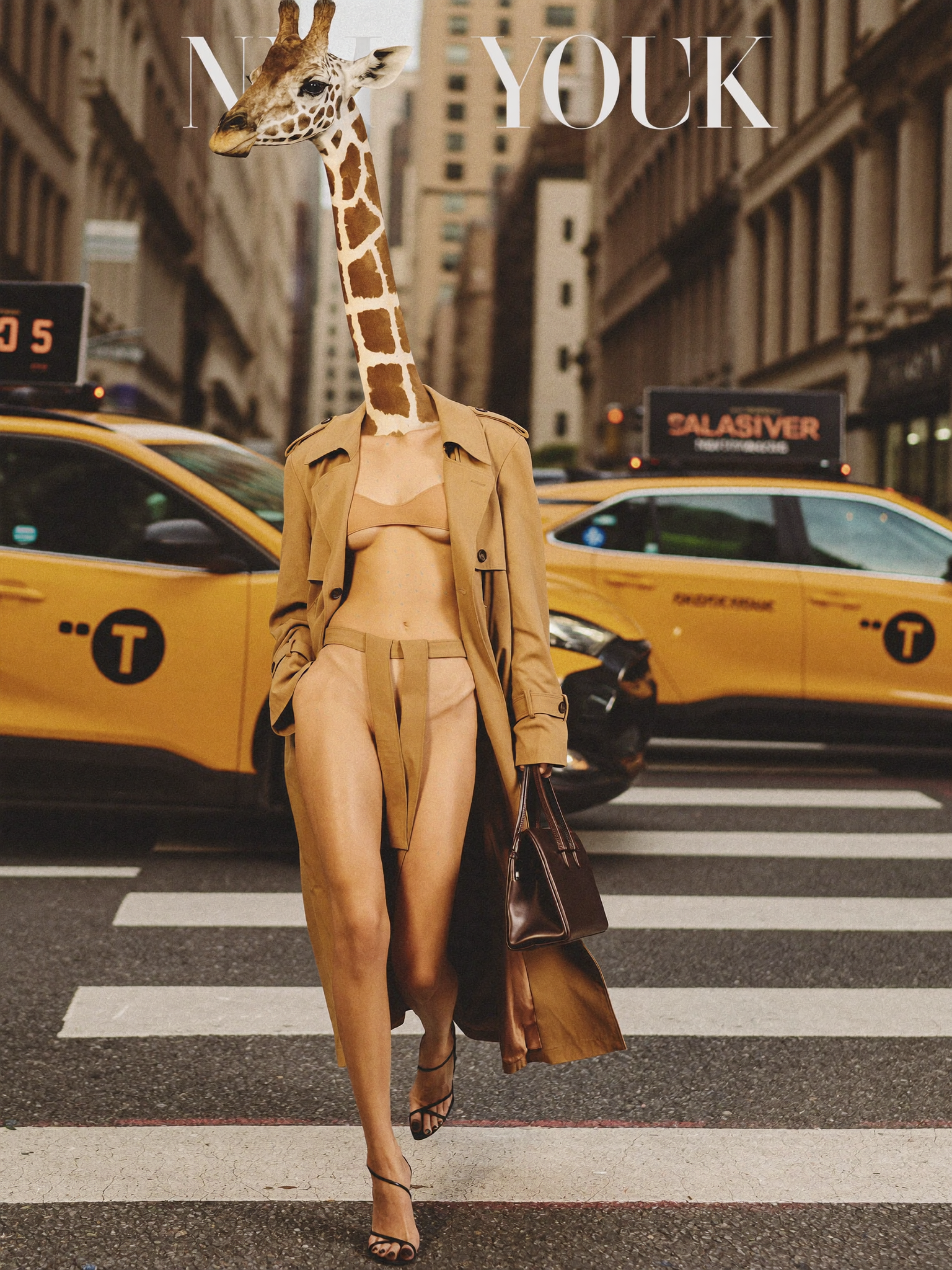
A giraffe in the crosswalk
Prompt adherence: overshoot (full giraffe head on a human body; garbled sign text)
Tall fashion model with an extremely long elegant giraffe-like neck and subtle giraffe spots on the skin, crossing a New York City crosswalk in a camel trench coat, yellow taxis, editorial street photo
Settings and provenance
{"aspect_ratio":"3:4","resolution":"2k","platform":"Higgsfield","other":"model defaults"}
1536×2048 native · 0.12 credits (preflight)
Requested ID: soul_2
Job: 7bd2586e-628f-4496-9f9c-cf8c272eba47
Generated: 2026-10-07
Affiliate link: we may earn a commission if you subscribe. Your model choice comes first. How links work
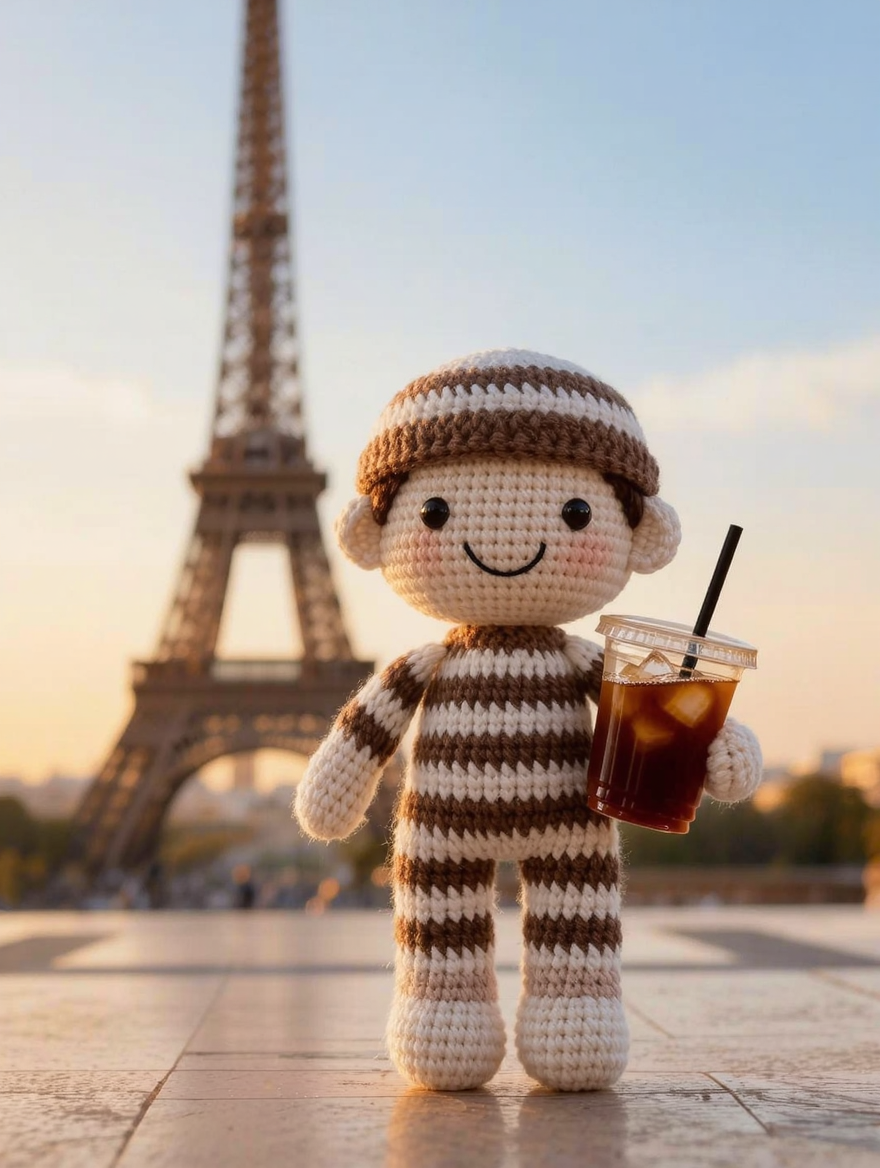
A wool doll in Paris
Prompt adherence: hit, stylized (amigurumi doll rather than a person)
Travel influencer whose whole body and face are made of hand-knitted striped wool yarn like a plush doll, visible stitches, holding an iced coffee in front of the Eiffel Tower, golden hour, surreal travel influencer photo
Settings and provenance
{"aspect_ratio":"3:4","resolution":"1k","platform":"Higgsfield","other":"model defaults"}
880×1168 native · 0.5 credits (preflight)
Requested ID: kling_omni_image
Job: 2a8f117e-3b1f-4b74-92bb-27ee974f6b41
Generated: 2026-10-07
Affiliate link: we may earn a commission if you subscribe. Your model choice comes first. How links work
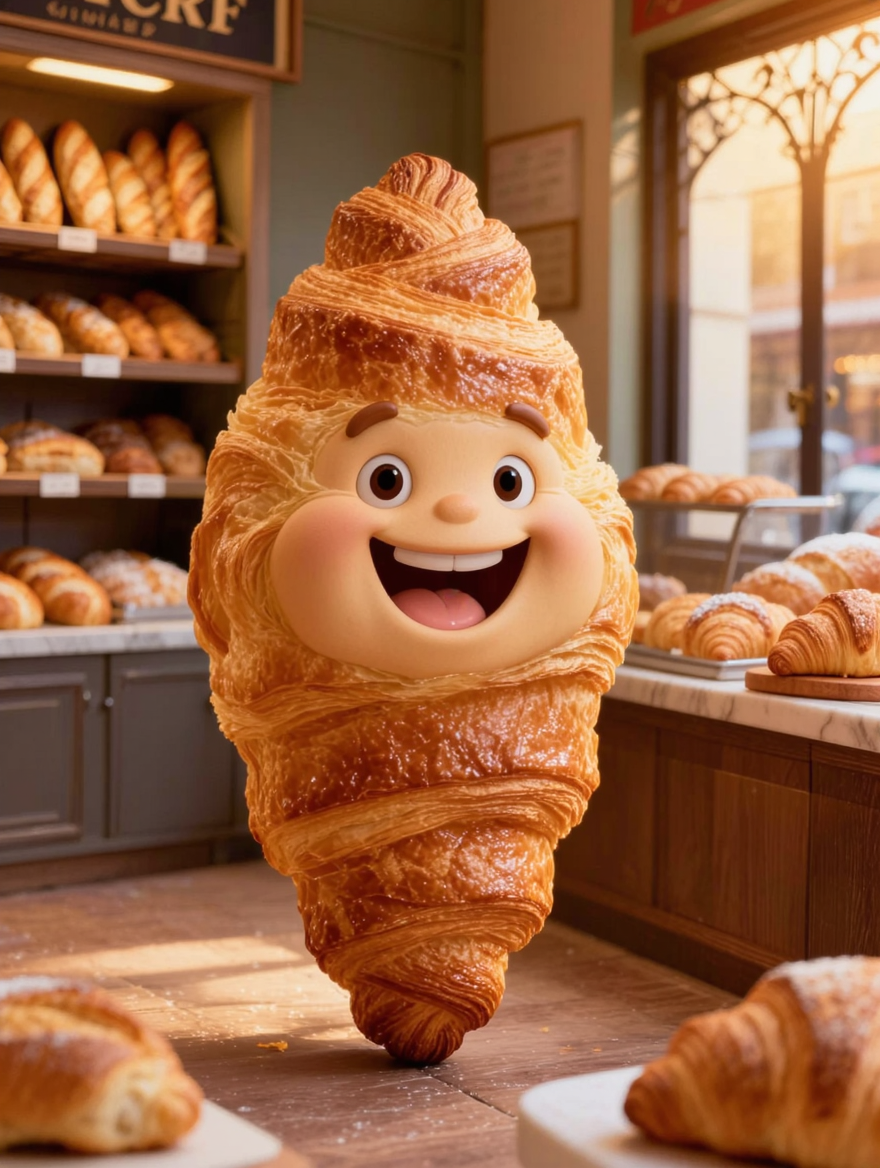
The croissant becomes the character
Prompt adherence: hit, stylized (cartoon croissant character, not a human)
Food influencer whose skin is golden flaky croissant pastry with visible buttery layers on her face and arms, smiling in a Paris bakery, warm morning light, surreal playful editorial photo
Settings and provenance
{"aspect_ratio":"3:4","resolution":"1k","platform":"Higgsfield","other":"model defaults"}
880×1168 native · 0.5 credits (preflight)
Requested ID: kling_omni_image
Job: 21042ae6-be05-4ab0-90c7-ba63fe33c56b
Generated: 2026-10-07
Affiliate link: we may earn a commission if you subscribe. Your model choice comes first. How links work
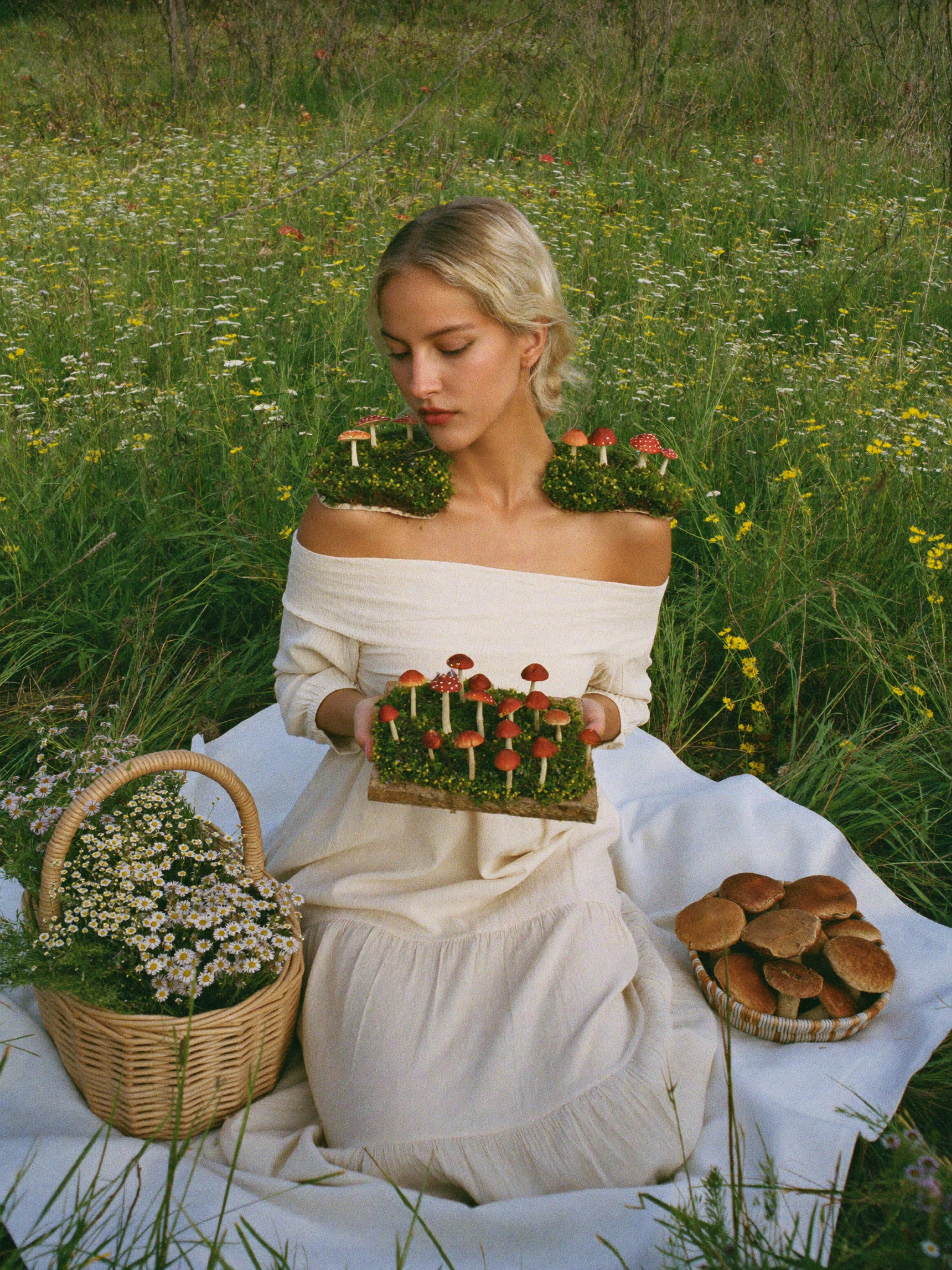
A mushroom meadow muse
Prompt adherence: hit (moss and mushrooms on shoulders)
Cottagecore influencer with soft green moss and tiny glowing mushrooms growing on her cheeks and shoulders, picnic in a wildflower meadow, linen dress, wicker basket, dreamy film photo
Settings and provenance
{"aspect_ratio":"3:4","resolution":"2k","platform":"Higgsfield","other":"model defaults"}
1536×2048 native · 0.12 credits (preflight)
Requested ID: soul_2
Job: e3b719fb-c7d6-4f8c-9fb3-b9a6b28dd440
Generated: 2026-10-07
Affiliate link: we may earn a commission if you subscribe. Your model choice comes first. How links work
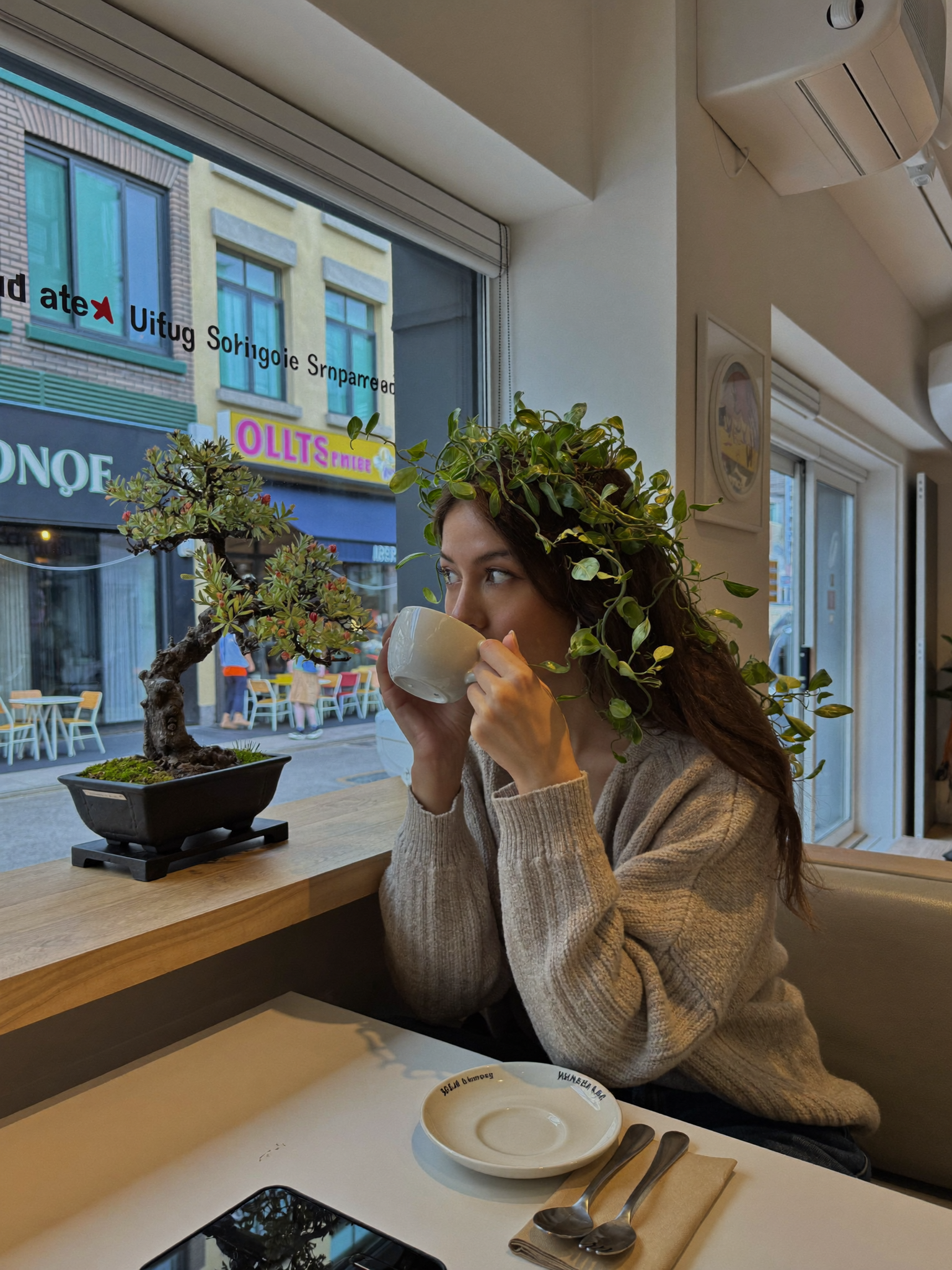
A bonsai crown at brunch
Prompt adherence: partial (leaf crown plus a separate bonsai on the table)
Lifestyle influencer whose hair is a living bonsai tree with tiny green leaves, sipping an oat latte at a minimalist Seoul cafe window seat, soft morning light, beige knit sweater, candid smartphone photo
Settings and provenance
{"aspect_ratio":"3:4","resolution":"2k","platform":"Higgsfield","other":"model defaults"}
1536×2048 native · 0.12 credits (preflight)
Requested ID: soul_2
Job: ee5e7be2-4d52-456b-9b62-24b085cda7b6
Generated: 2026-10-07
Affiliate link: we may earn a commission if you subscribe. Your model choice comes first. How links work
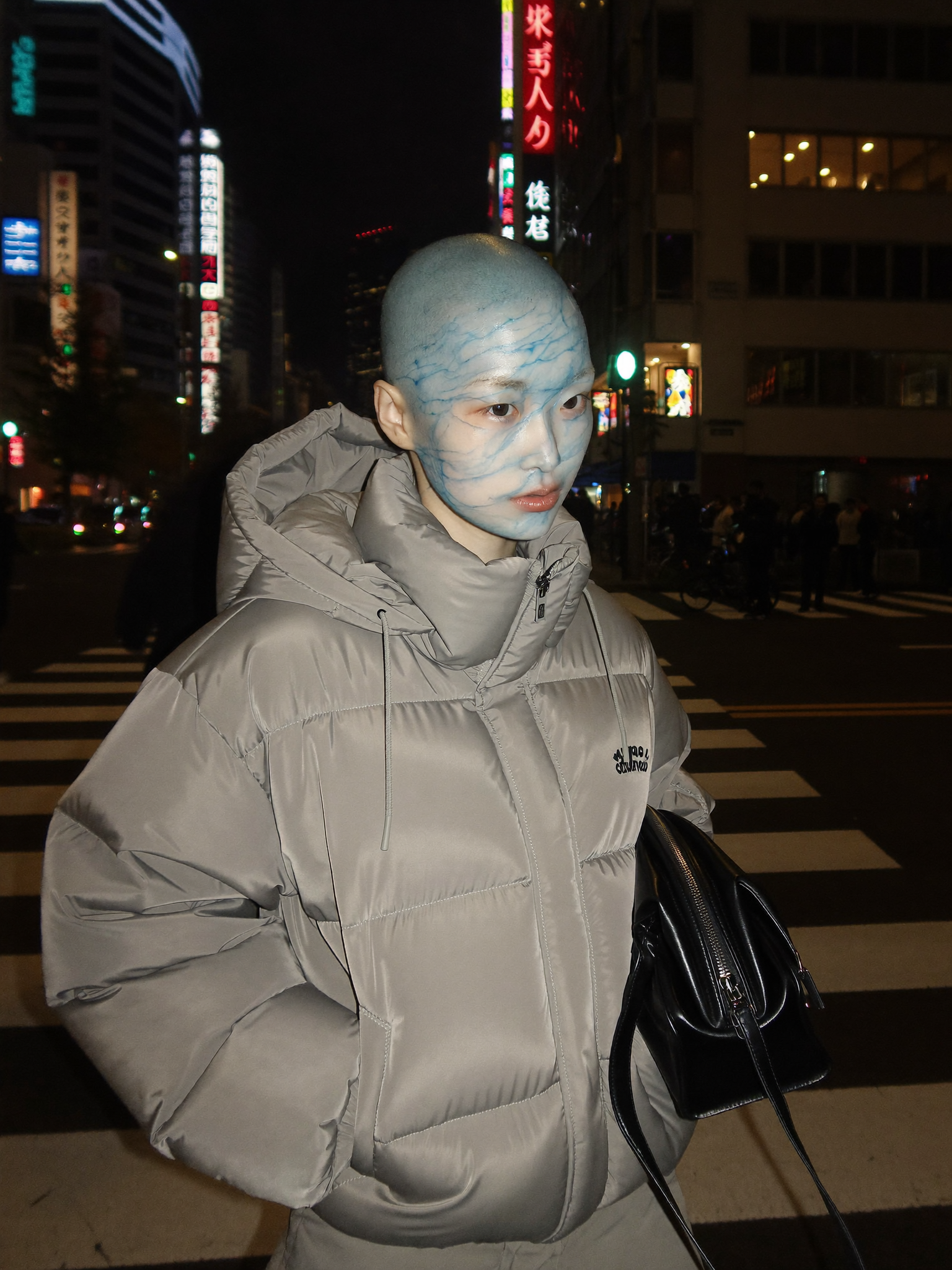
Jelly skin under Tokyo neon
Prompt adherence: partial (blue translucent face, no visible fiber-optic veins)
Street style influencer with translucent jelly skin revealing softly glowing fiber-optic veins, walking a Tokyo crosswalk at night in an oversized puffer jacket, neon signs, flash photography, fashion week street snap
Settings and provenance
{"aspect_ratio":"3:4","resolution":"2k","platform":"Higgsfield","other":"model defaults"}
1536×2048 native · 0.12 credits (preflight)
Requested ID: soul_2
Job: 8cafe29e-bb63-4d06-991d-55d829638a97
Generated: 2026-10-07
Affiliate link: we may earn a commission if you subscribe. Your model choice comes first. How links work
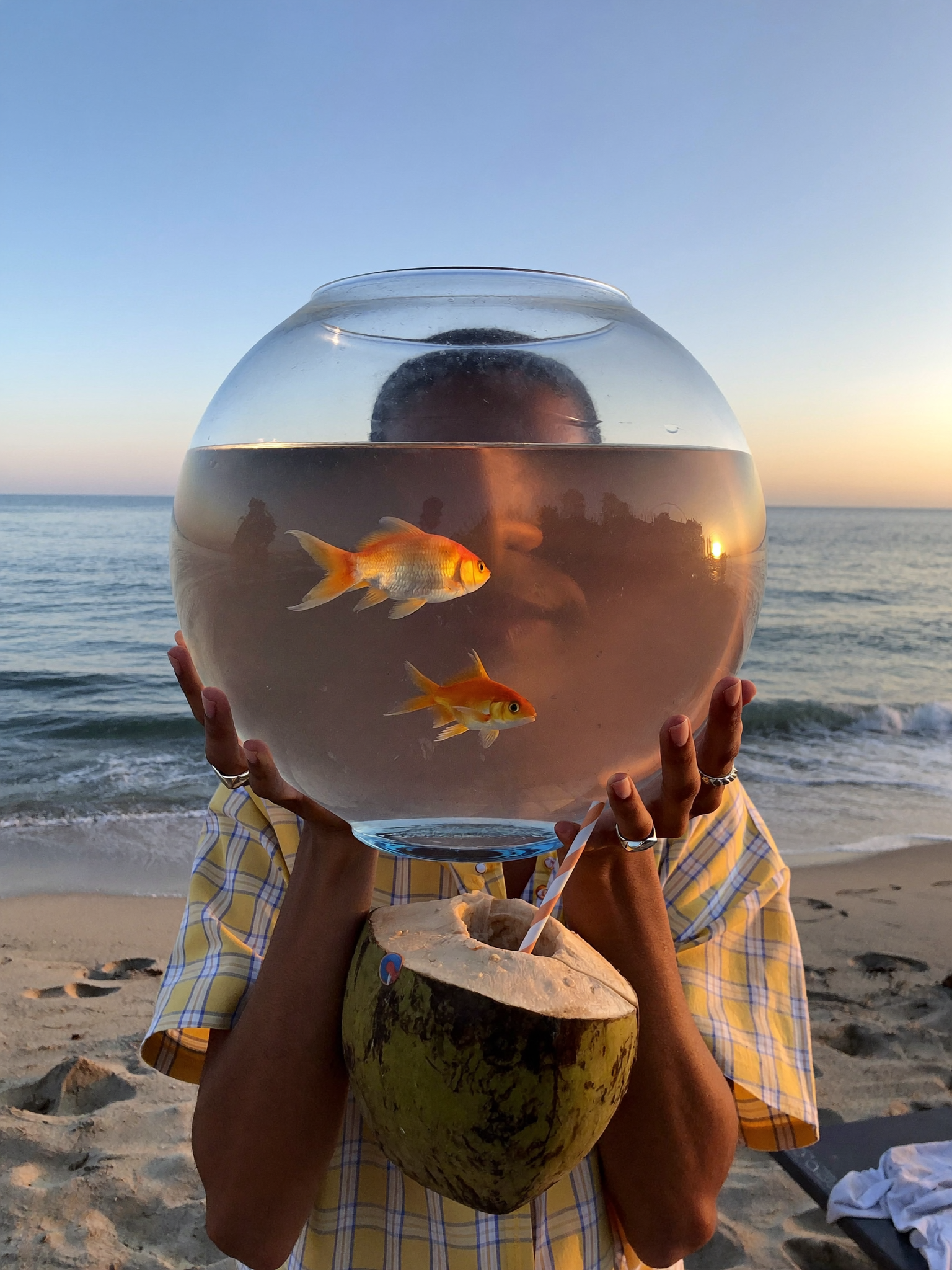
A fishbowl held like a face
Prompt adherence: partial (holds the fishbowl in front of the face, goldfish inside)
Beach influencer whose head is a clear glass fishbowl with two orange goldfish swimming inside, wearing a yellow linen shirt, golden hour on the beach, holding a coconut drink, candid UGC smartphone photo
Settings and provenance
{"aspect_ratio":"3:4","resolution":"2k","platform":"Higgsfield","other":"model defaults"}
1536×2048 native · 0.12 credits (preflight)
Requested ID: soul_2
Job: 4c89309b-f0eb-43d1-897f-cbfc43385757
Generated: 2026-10-07
Affiliate link: we may earn a commission if you subscribe. Your model choice comes first. How links work
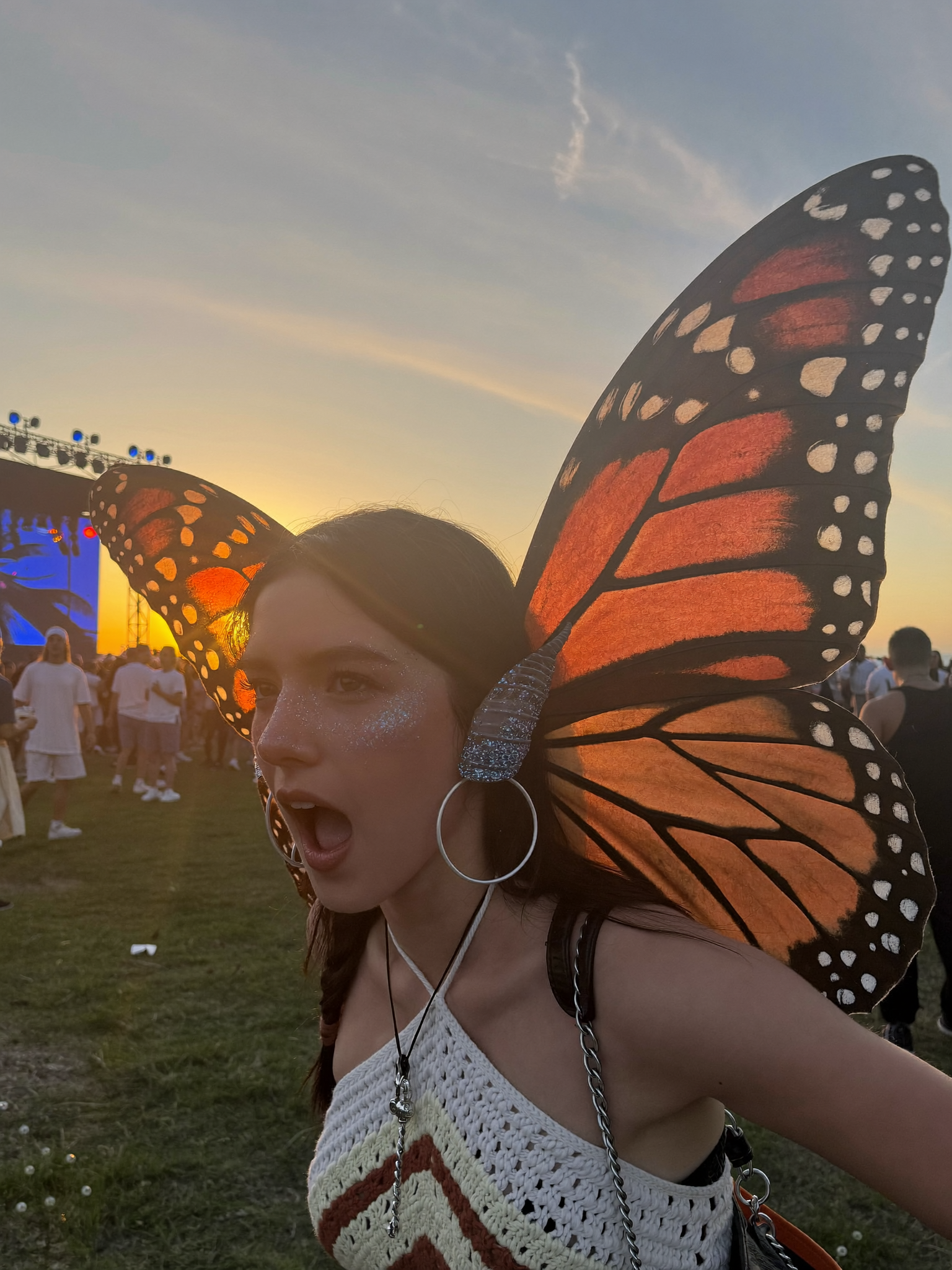
Butterfly wings at the festival
Prompt adherence: partial (monarch wings on the back, not ears)
Music festival influencer with large translucent monarch butterfly wings instead of ears, glitter freckles, crochet top, sunset crowd and stage lights behind, euphoric candid photo
Settings and provenance
{"aspect_ratio":"3:4","resolution":"2k","platform":"Higgsfield","other":"model defaults"}
1536×2048 native · 0.12 credits (preflight)
Requested ID: soul_2
Job: bb3ee3c6-2083-4faa-a13f-3b0a44c80d98
Generated: 2026-10-07
Affiliate link: we may earn a commission if you subscribe. Your model choice comes first. How links work
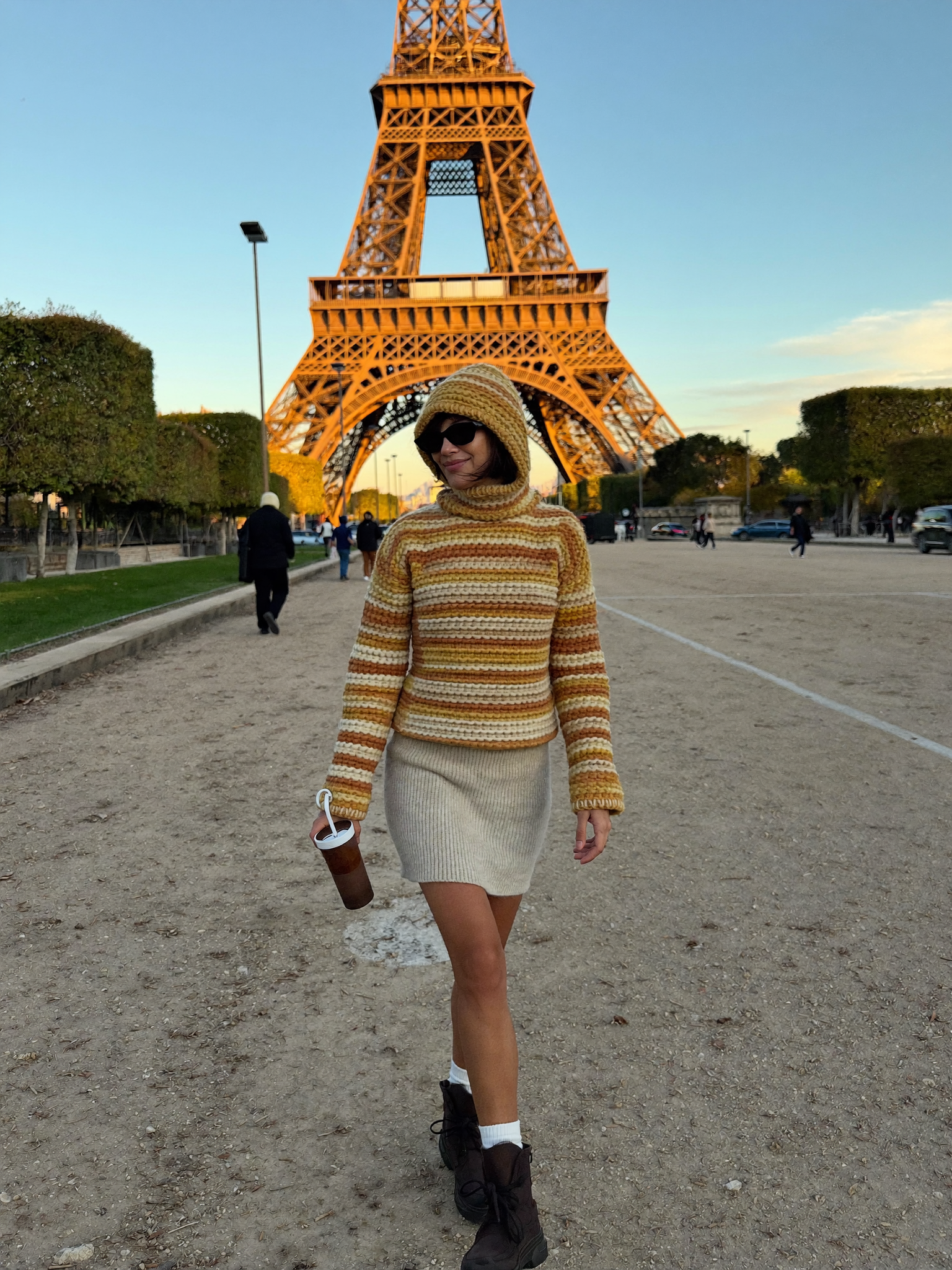
Wool, interpreted as a wardrobe
Prompt adherence: miss (normal person in a knit outfit)
Influencer made entirely of hand-knitted wool yarn with visible stitches, holding an iced coffee in front of the Eiffel Tower, cozy autumn outfit, golden hour, travel influencer photo
Settings and provenance
{"aspect_ratio":"3:4","resolution":"2k","platform":"Higgsfield","other":"model defaults"}
1536×2048 native · 0.12 credits (preflight)
Requested ID: soul_2
Job: 7b558b62-132d-45ea-b436-d66700841c6c
Generated: 2026-10-07
Affiliate link: we may earn a commission if you subscribe. Your model choice comes first. How links work
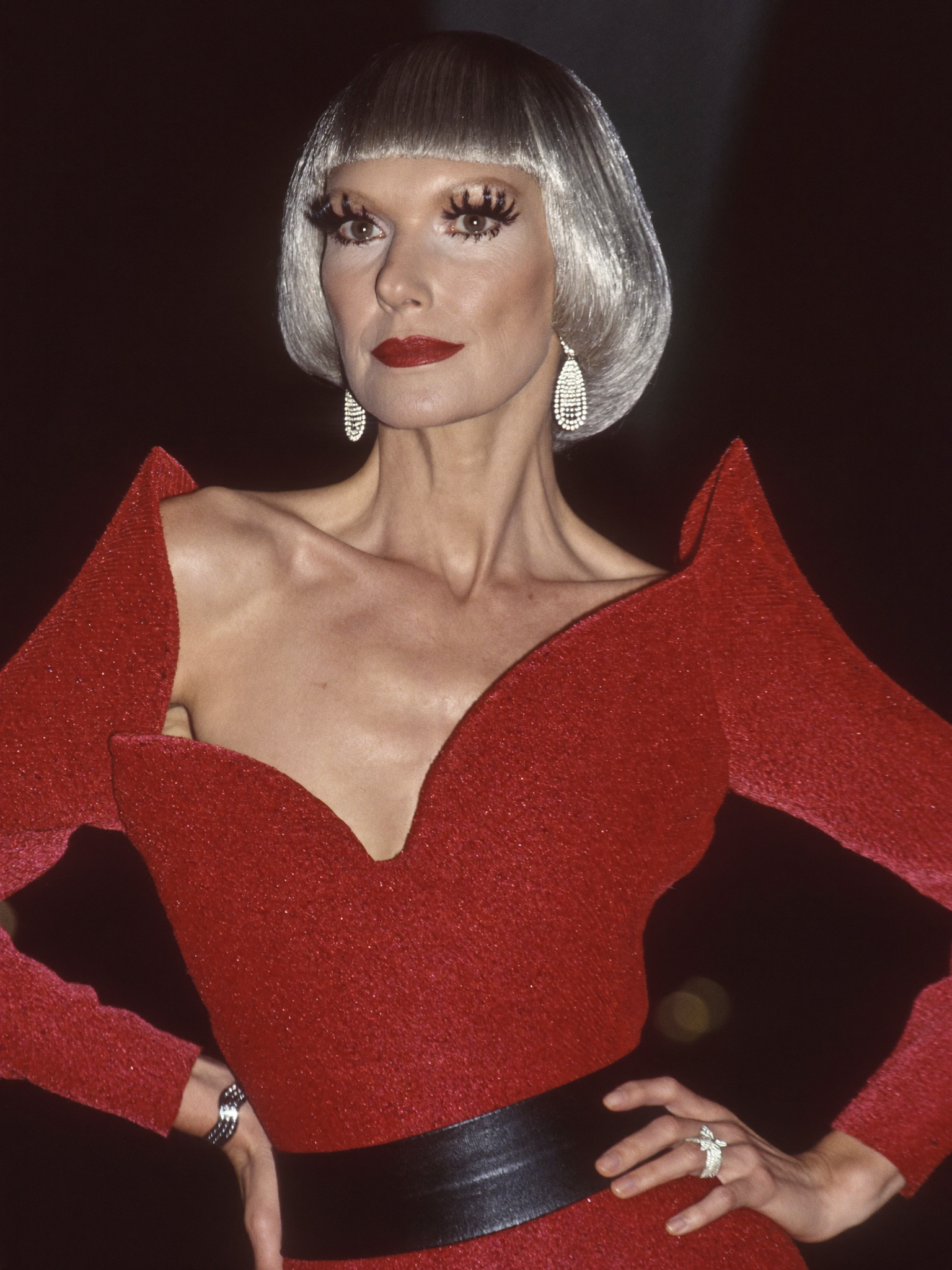
Four eyes, reduced to two
Prompt adherence: miss (two eyes, pearl lashes only)
Elderly fashion icon with four eyes and long pearl eyelashes, silver bob haircut, sculptural red couture gown, red carpet paparazzi flash photo, confident pose, high fashion editorial
Settings and provenance
{"aspect_ratio":"3:4","resolution":"2k","platform":"Higgsfield","other":"model defaults"}
1536×2048 native · 0.12 credits (preflight)
Requested ID: soul_2
Job: 13870a12-844e-45ee-8c63-11ae6aca226d
Generated: 2026-10-07
Affiliate link: we may earn a commission if you subscribe. Your model choice comes first. How links work
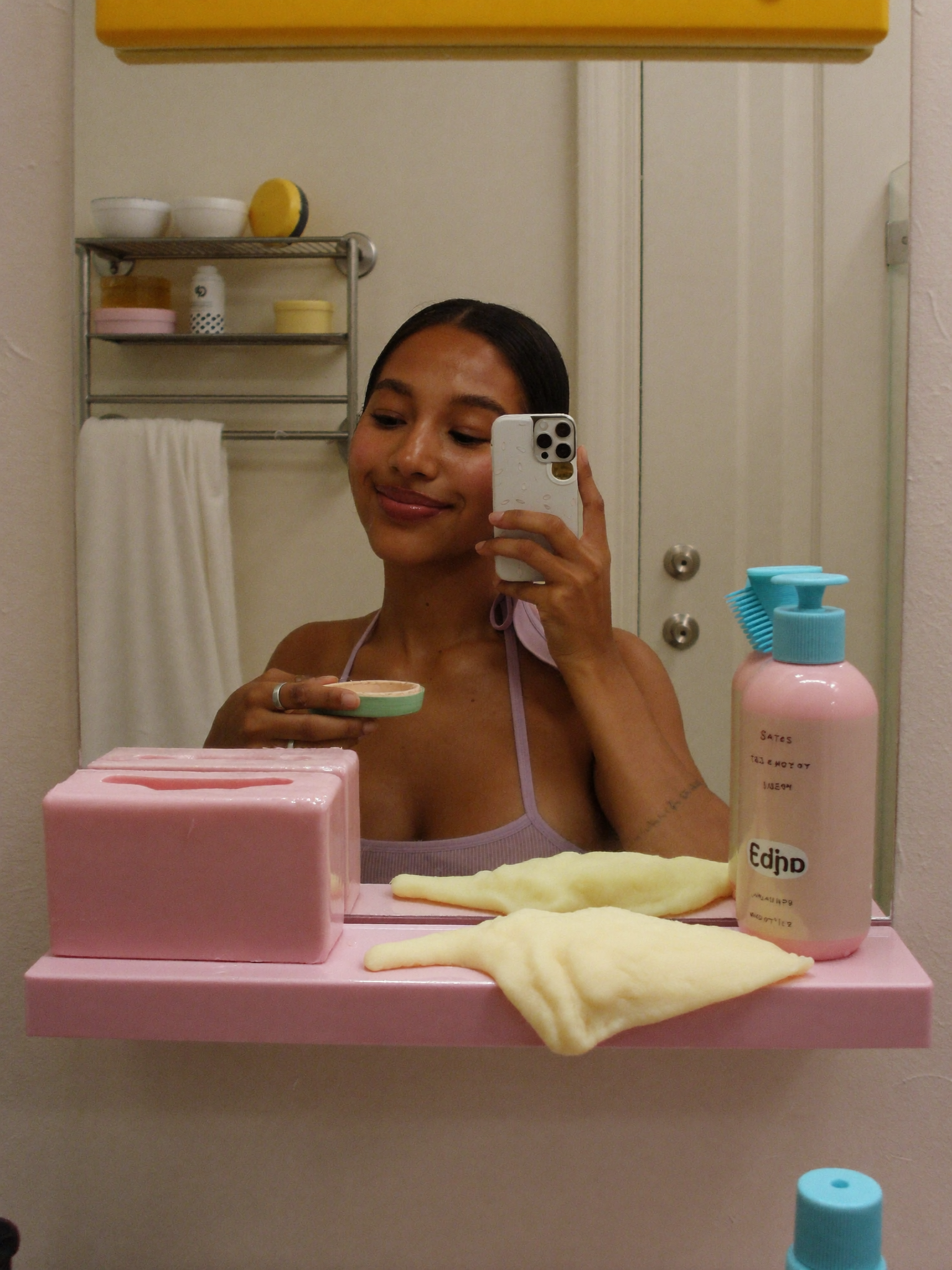
Claymation becomes skincare
Prompt adherence: miss (realistic person, clay props)
Claymation influencer made of glossy plasticine with visible fingerprints in the clay, doing her morning skincare routine in a pastel bathroom mirror, stop-motion aesthetic, cozy and cute
Settings and provenance
{"aspect_ratio":"3:4","resolution":"2k","platform":"Higgsfield","other":"model defaults"}
1536×2048 native · 0.12 credits (preflight)
Requested ID: soul_2
Job: 2a23edbb-b202-48c1-a021-2d55403c1296
Generated: 2026-10-07
Affiliate link: we may earn a commission if you subscribe. Your model choice comes first. How links work
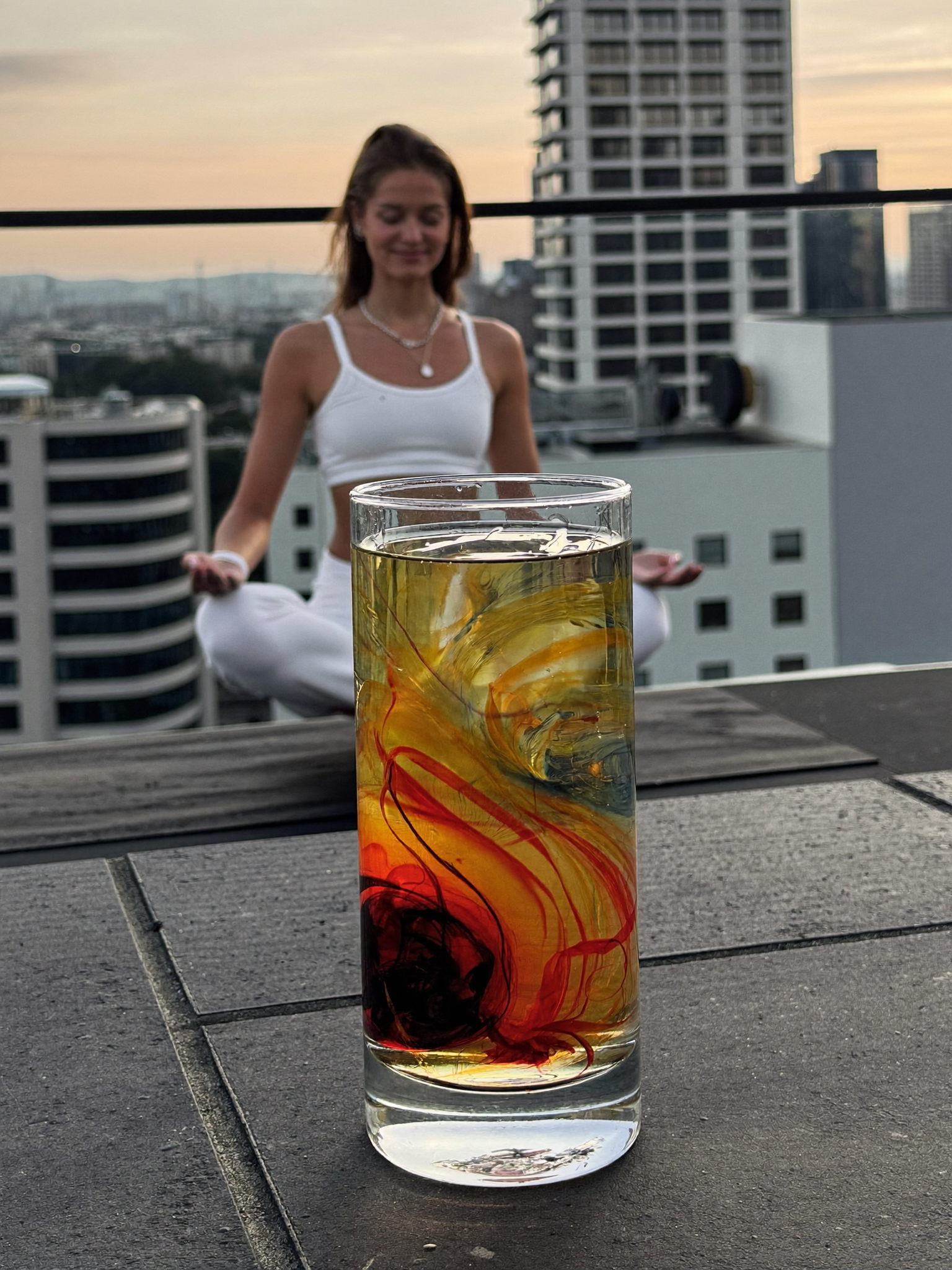
Glass body becomes a glass of water
Prompt adherence: miss (a glass of liquid in the foreground)
Wellness influencer with a body of hand-blown glass filled with swirling sunset-colored liquid, doing yoga on a rooftop at dawn, city skyline, soft rim light, serene editorial photo
Settings and provenance
{"aspect_ratio":"3:4","resolution":"2k","platform":"Higgsfield","other":"model defaults"}
1536×2048 native · 0.12 credits (preflight)
Requested ID: soul_2
Job: 37b42ba6-adda-484c-9546-277ffbbebba1
Generated: 2026-10-07
Affiliate link: we may earn a commission if you subscribe. Your model choice comes first. How links work
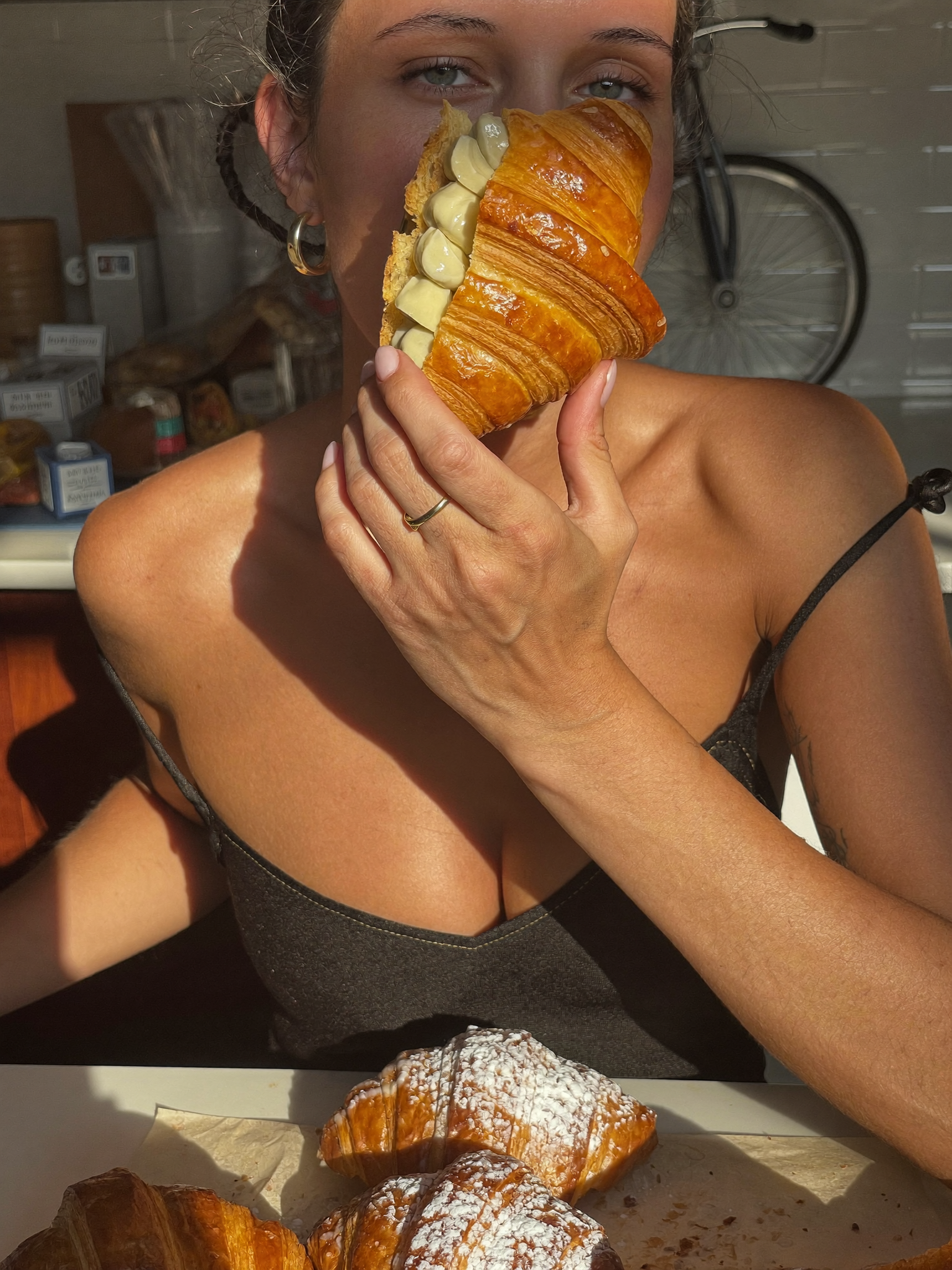
Croissant skin becomes a snack
Prompt adherence: miss (holds a croissant)
Food influencer whose skin is golden flaky croissant pastry with buttery layers, taking a bite of a croissant in a Paris bakery, warm morning light, flour on the counter, playful candid photo
Settings and provenance
{"aspect_ratio":"3:4","resolution":"2k","platform":"Higgsfield","other":"model defaults"}
1536×2048 native · 0.12 credits (preflight)
Requested ID: soul_2
Job: c7ddc3e8-cdf1-4bff-ace6-92553a9cac3b
Generated: 2026-10-07
Affiliate link: we may earn a commission if you subscribe. Your model choice comes first. How links work
Photographic texture versus literal anatomy.
In this set, Soul 2.0 produced convincing UGC and fashion texture, but softened several impossible concepts: four eyes became two, a wool body became knit clothing, croissant skin became a snack, claymation became a regular skincare photo, and a glass body became a foreground glass. In three same-concept runs, Kling O1 followed four eyes, a plush wool doll and a croissant character more literally, while moving toward a stylized or cartoon look. This finding applies only to these n=1 runs.
These pairs compare the same concepts, with wording differences between runs. For example, the Kling croissant prompt explicitly asks for pastry layers on the face and arms and a smile, while the Soul prompt asks for a bite. Inspect each exact prompt above; these are visual examples, not controlled comparisons of identical instructions.
Four eyes
miss (two eyes, pearl lashes only)
hit (four eyes with pearl lashes)
A body made of wool
miss (normal person in a knit outfit)
hit, stylized (amigurumi doll rather than a person)
A croissant creator
miss (holds a croissant)
hit, stylized (cartoon croissant character, not a human)
Prompt recipe: keep the setting ordinary.
Persona + impossible material or anatomy + mundane influencer setting + platform-native camera style.
- Persona: an adult fashion creator, a travel blogger or a fictional food reviewer.
- Impossible detail: polished chrome skin, four eyes or a body of knitted wool.
- Ordinary setting: a laundromat, a coffee queue or a gym mirror selfie.
- Camera: candid smartphone photo, direct paparazzi flash or a fashion-week street snap.
Change one part at a time. Describe whether the impossible material replaces the whole body or only decorates it, then inspect what the first run actually followed. Disclose the synthetic character when publishing.
Sources and verification.
Last updated 2026-10-07. Provider claims and endpoint records are dated evidence; workflow advice is editorial guidance.
- Soul and Soul ID help Checked 2026-10-07
- Meta synthetic content labels Checked 2026-10-07
- TikTok AI content labels Checked 2026-10-07
- TikTok commercial disclosure Checked 2026-10-07
- YouTube altered and synthetic content disclosure Checked 2026-10-07
- YouTube channel monetisation policies Checked 2026-10-07
- FTC influencer advertising disclosures Checked 2026-10-07
- Higgsfield MCP image catalog, exported 7 October 2026 Checked 2026-10-07
- Higgsfield: Soul 2.0 Checked 2026-10-07
- Higgsfield: public plan/credit table, Italy EUR Checked 2026-10-07
- Higgsfield MCP video catalog, exported 7 October 2026 Checked 2026-10-07
- ByteDance: Seedance 2.5 Checked 2026-10-07